



In Memory of Dr. Pierre Hainaut (1958–2025)
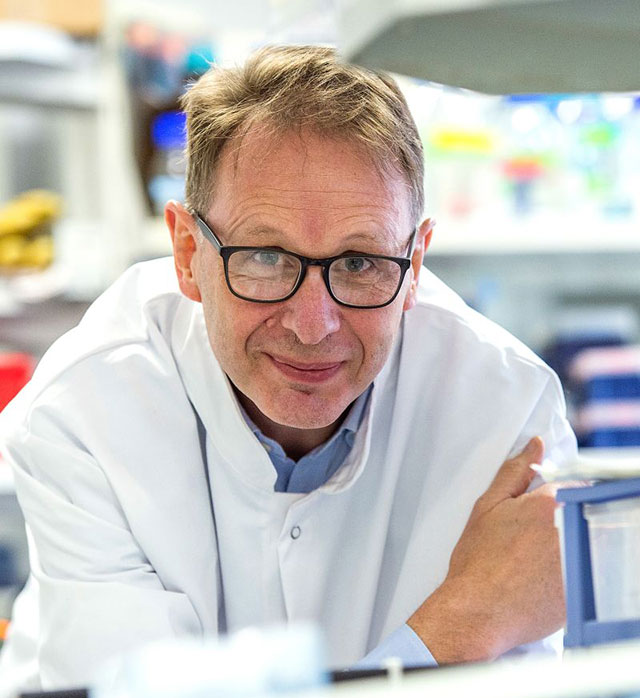
Dr. Pierre Hainaut was a visionary cancer scientist, dedicated mentor, and cherished member of the global p53 research community. His pioneering work on the TP53 tumor suppressor gene helped shape modern understanding of the molecular mechanisms underlying cancer and genetic cancer predisposition.
Throughout his distinguished career, Pierre made landmark contributions to the classification and interpretation of TP53 mutations and led the development of the international TP53 mutation database, a resource that has become foundational for researchers and clinicians worldwide.
Beyond his extraordinary scientific achievements, Pierre was widely admired for his generosity, intellectual curiosity, and deep commitment to collaboration. He brought together scientists, clinicians, and patient communities across continents, and he championed research that addressed global inequities in cancer prevention, diagnosis, and care.
Pierre was also a passionate advocate for individuals and families affected by hereditary cancer syndromes, including Li-Fraumeni syndrome, ensuring that scientific discovery remained closely connected to the people whose lives it could change.
Within the International p53 Workshop community, Pierre was an enduring presence—an inspiring speaker, a thoughtful collaborator, and a trusted friend to many. His insights, mentorship, and warmth shaped generations of researchers and helped cultivate the collaborative spirit that defines this meeting today.
A Session in Tribute
In recognition of Pierre’s profound impact on the field, the 20th International p53 Workshop has dedicated a special session in his honor. This session celebrates his scientific legacy and reflects on the many ways his ideas, mentorship, and humanity continue to guide our community.
Continuing Pierre’s Legacy
To honor Pierre’s enduring commitment to mentorship, collaboration, and global cancer research, the Pierre Hainaut Lectureship Fund has been established through the Li-Fraumeni Syndrome Association.
This fund supports an annual lectureship dedicated to advancing research and education in areas that were central to Pierre’s work, including TP53 biology, cancer prevention, and hereditary cancer syndromes such as Li-Fraumeni syndrome. It also helps foster the next generation of scientists by elevating emerging voices and promoting international collaboration—values that Pierre championed throughout his career.
Through this initiative, Pierre’s legacy will continue to inspire innovation, mentorship, and a global commitment to improving outcomes for individuals and families affected by cancer.
Learn more about the Pierre Hainaut Lectureship Fund and how to support this important initiative HERE.